Wei Long

Wei Long

Ph.D. Student · UESTC

I am a Ph.D. student in the Data Intelligence Group at the University of Electronic Science and Technology of China, advised by Shuhang Gu. My research spans image restoration, 3D vision, and visual generative modeling.

Wei Long

News

Publications

Google Scholar ↗

Grouped by authorship, then by year. * Equal contribution. Download BibTeX

17 papers

First / Co-first Author

6 papers

2026

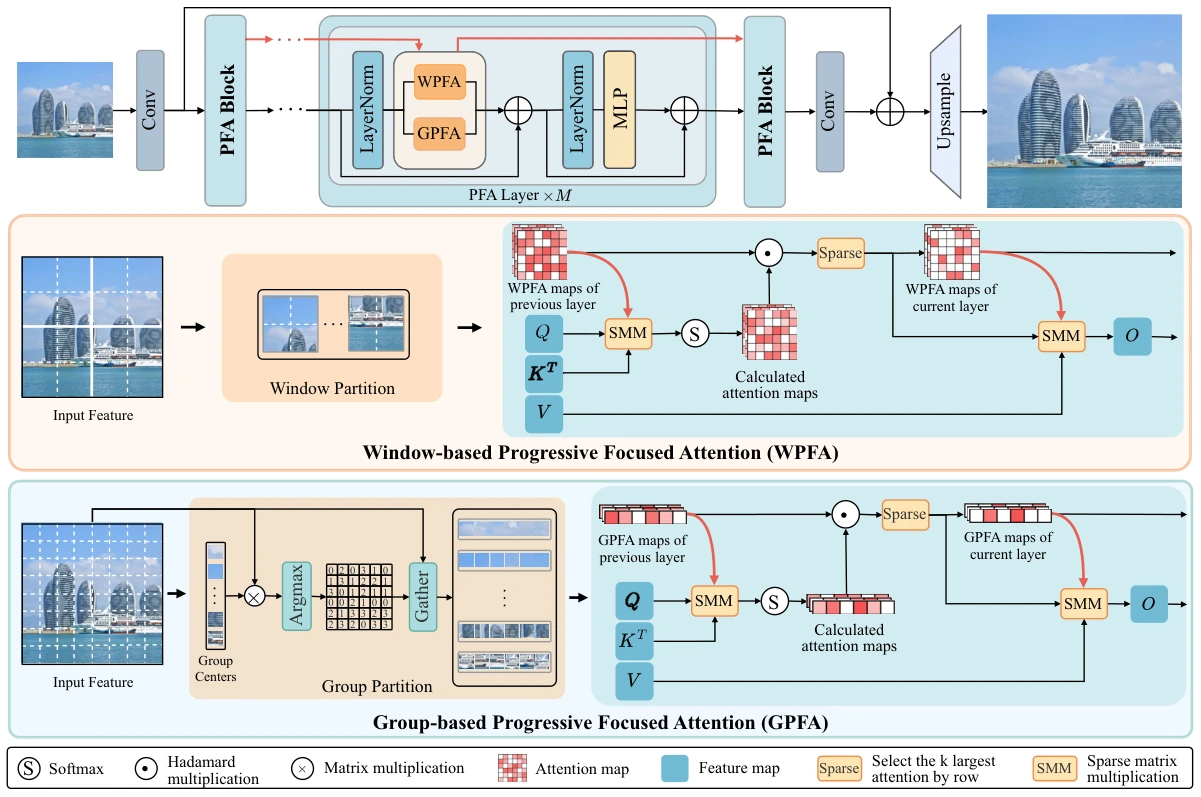
The overall architecture of PFTv2, including window-based and group-based Progressive Focused Attention.
Progressive Focused Transformer for Image Restoration

Wei Long, Jinhua Zhang, Xingyu Zhou, Leheng Zhang, Shuhang Gu

IJCV2026First author

Progressively focused attention combines local and global contexts for a broad range of image restoration tasks.

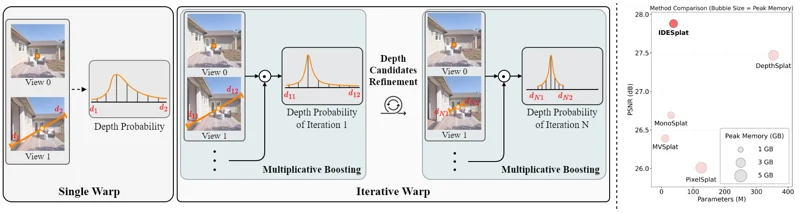
Figure from IDESplat: Iterative Depth Probability Estimation for Generalizable 3D Gaussian Splatting
IDESplat: Iterative Depth Probability Estimation for Generalizable 3D Gaussian Splatting

Wei Long, Haifeng Wu, Shiyin Jiang, Jinhua Zhang, Xinchun Ji, Shuhang Gu

CVPR2026First author

Iterative depth probability refinement improves feed-forward 3D Gaussian reconstruction and novel-view synthesis.

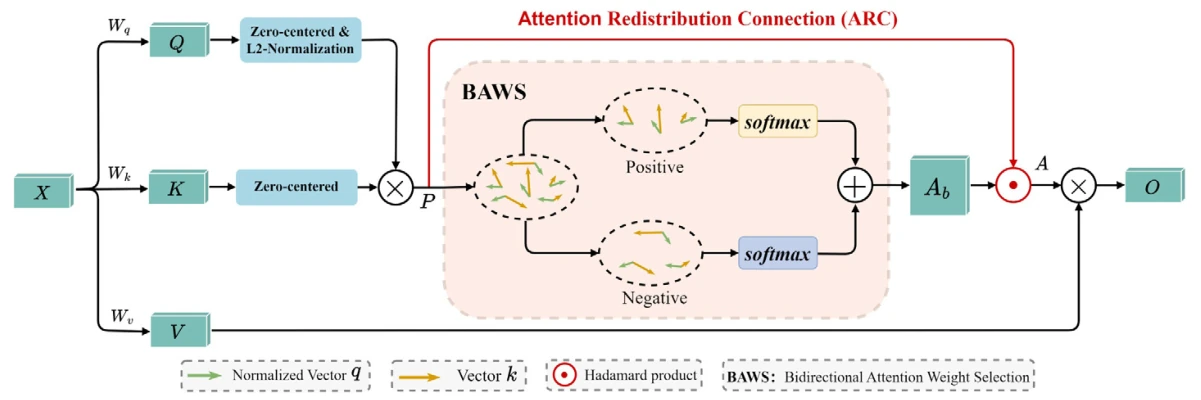
Full-Range Self-Attention framework with bidirectional attention weight selection and attention redistribution connections.
Leveraging negative correlation for Full-Range Self-Attention in Vision Transformers

Wei Long*, Ziyang Chen*, Wenting Li, Yongjun Zhang, He Yao, Jiaxin Peng, Zhongwei Cui

Pattern Recognition2026Co-first authorFirst listed 2025

Full-range self-attention uses positive and negative feature correlations to strengthen vision transformers without extra parameters.

2025

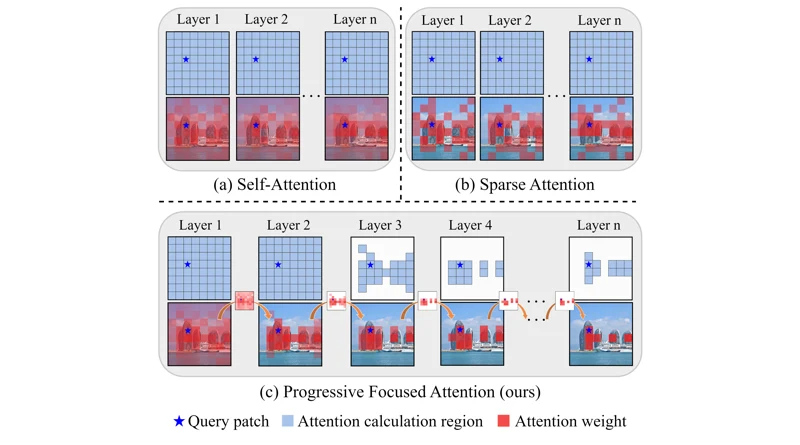
Figure from Progressive Focused Transformer for Single Image Super-Resolution
Progressive Focused Transformer for Single Image Super-Resolution

Wei Long, Xingyu Zhou, Leheng Zhang, Shuhang Gu

CVPR2025First author

Progressively focused attention filters irrelevant tokens to improve both reconstruction quality and computational efficiency.

2024

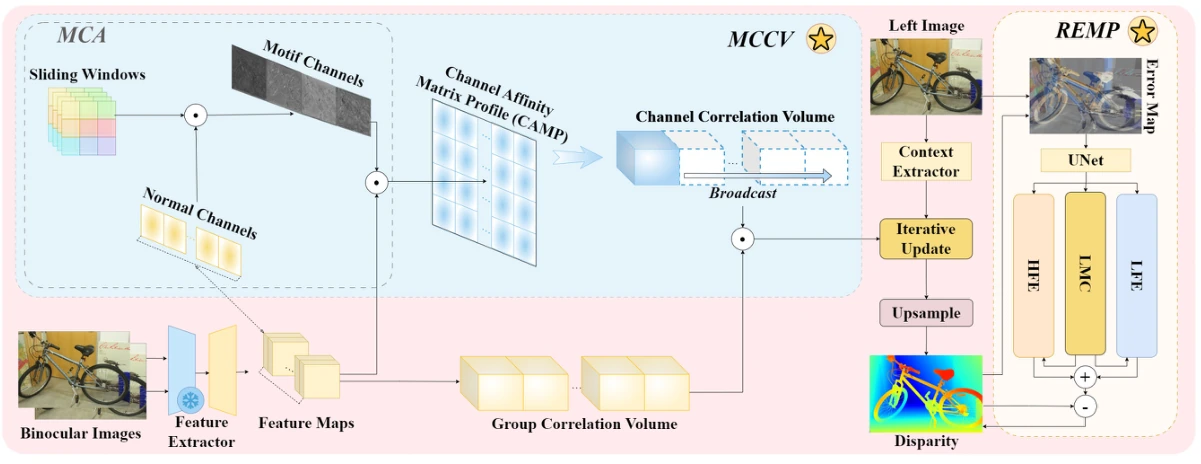
Overview of MoCha-Stereo, including motif-channel correlation and reconstruction-error motif penalty.
MoCha-Stereo: Motif Channel Attention Network for Stereo Matching

Ziyang Chen*, Wei Long*, He Yao*, Yongjun Zhang, Bingshu Wang, Yongbin Qin, Jia Wu

CVPR2024Co-first author

Motif channel attention preserves geometric structure and refines edge details for stereo matching.

2023

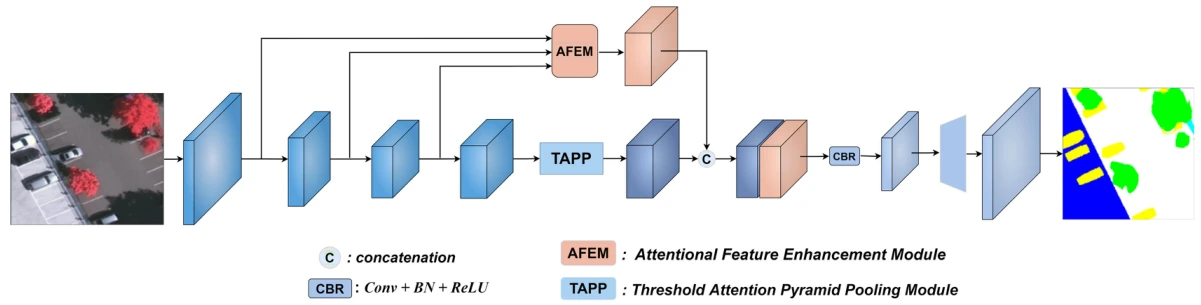
TANet network architecture with AFEM and TAPP modules.
Threshold Attention Network for Semantic Segmentation of Remote Sensing Images

Wei Long, Yongjun Zhang, Zhongwei Cui, Yujie Xu, Xuexue Zhang

IEEE TGRS2023First author

Threshold-based attention models regional dependencies efficiently for semantic segmentation of remote sensing images.

Other Co-authored Papers

11 papers

2026

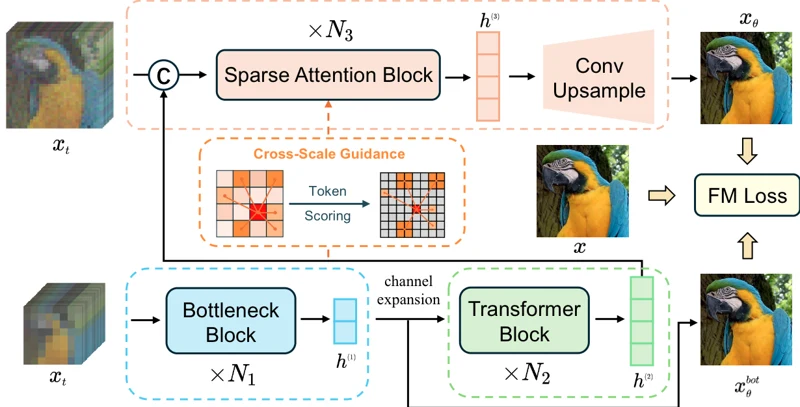
Figure from Advanced Pixel Diffusion Model with Guided Sparse Global Refinement
Advanced Pixel Diffusion Model with Guided Sparse Global Refinement

Weiyi You, Jinhua Zhang, Xingyu Zhou, Wei Long, Junyu Lou, Shuhang Gu

arXiv2026

Guided sparse global refinement expands pixel-space diffusion beyond isolated patches while limiting attention cost.

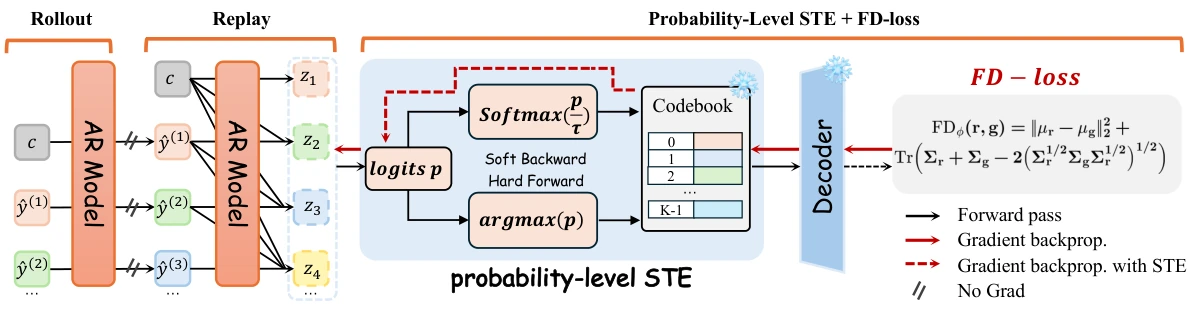
Overview of the dual-pass FD-loss post-training framework.
Beyond Token-Level Cross-Entropy: Fréchet Distributional Post-Training for Autoregressive Image Generation

Jinhua Zhang, Yisong Lin, Wei Long, Shuhang Gu

arXiv2026

Fréchet-distance post-training aligns autoregressive image generators with image-level distributional quality.

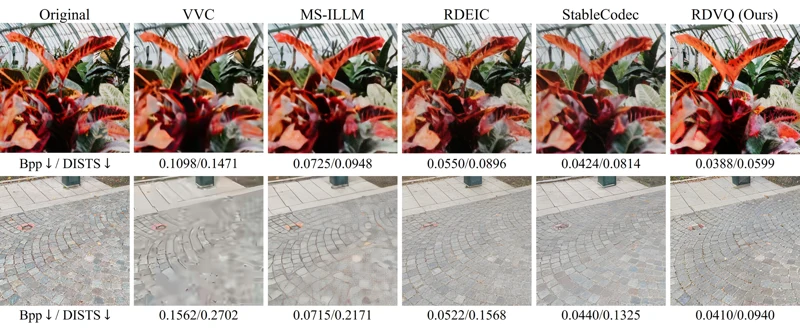
Figure from Differentiable Vector Quantization for Rate-Distortion Optimization of Generative Image Compression
Differentiable Vector Quantization for Rate-Distortion Optimization of Generative Image Compression

Shiyin Jiang, Wei Long, Minghao Han, Zhenghao Chen, Ce Zhu, Shuhang Gu

CVPR · Oral2026

Differentiable vector quantization connects representation learning with rate-distortion optimization for low-bitrate image compression.

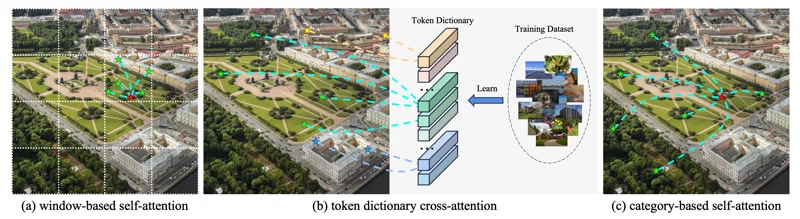
Figure from ATD: Improved Transformer With Adaptive Token Dictionary for Image Restoration
ATD: Improved Transformer With Adaptive Token Dictionary for Image Restoration

Leheng Zhang, Wei Long, Yawei Li, Xingyu Zhou, Xiaorui Zhao, Shuhang Gu

IEEE TPAMI2026

A learned token dictionary brings global image priors and content-adaptive feature grouping to efficient image restoration.

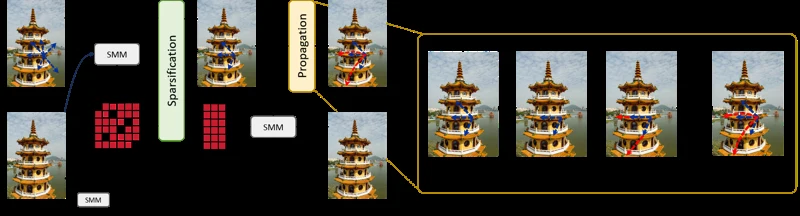
Figure from From Local Windows to Adaptive Candidates via Individualized Exploratory: Rethinking Attention for Image Super-Resolution
From Local Windows to Adaptive Candidates via Individualized Exploratory: Rethinking Attention for Image Super-Resolution

Chunyu Meng, Wei Long, Shuhang Gu

ECCV2026

Each token explores its own content-aware attention candidates for efficient image super-resolution.

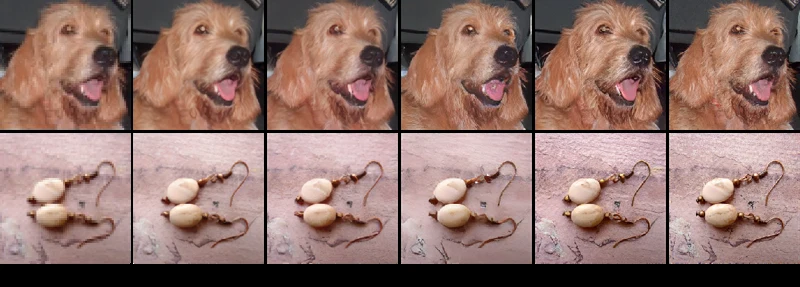
Figure from Texture Vector-Quantization and Reconstruction Aware Prediction for Generative Super-Resolution
Texture Vector-Quantization and Reconstruction Aware Prediction for Generative Super-Resolution

Qifan Li, Jiale Zou, Jinhua Zhang, Wei Long, Xingyu Zhou, Shuhang Gu

ICLR2026First listed 2025

Texture-focused quantization and image-level prediction training support efficient, perceptually rich super-resolution.

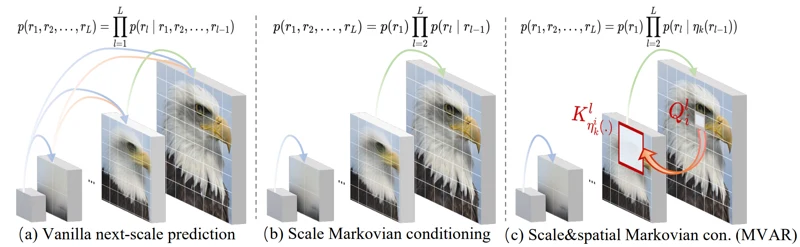
Figure from MVAR: Visual Autoregressive Modeling with Scale and Spatial Markovian Conditioning
MVAR: Visual Autoregressive Modeling with Scale and Spatial Markovian Conditioning

Jinhua Zhang, Wei Long, Minghao Han, Weiyi You, Shuhang Gu

ICLR2026First listed 2025

Scale and spatial Markovian conditioning reduces redundant context in visual autoregressive generation.

2025

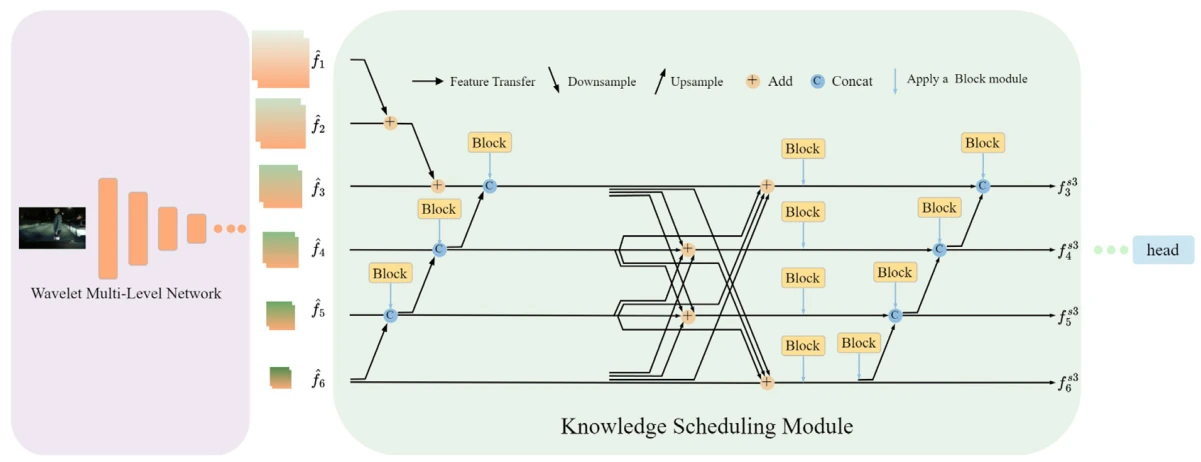
Overall structure of LLKNet.
Rethinking low-light knowledge for pedestrian detection in nighttime conditions

Ziyang Chen, He Yao, Wenting Li, Wei Long, Yongjun Zhang

Engineering Applications of Artificial Intelligence2025

Wavelet-based feature extraction and adaptive knowledge scheduling improve pedestrian detection under low light.

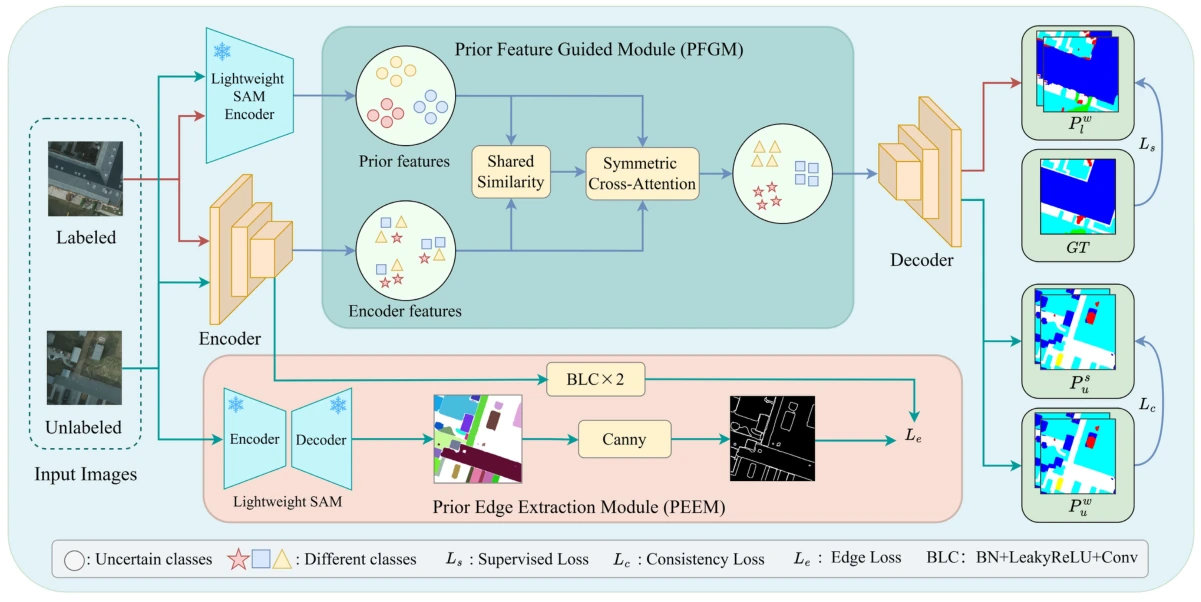
Overall architecture of PGNet, including prior-feature guidance and prior-edge extraction.
Prior Information-Guided Semi-Supervised Semantic Segmentation of Remote Sensing Images

Xiaorong Gan, Wenting Li, Yongjun Zhang, Wei Long, Yujie Lu, Ziyang Chen

IEEE TGRS2025

Feature and edge priors improve pseudo-label reliability and boundaries in semi-supervised remote sensing segmentation.

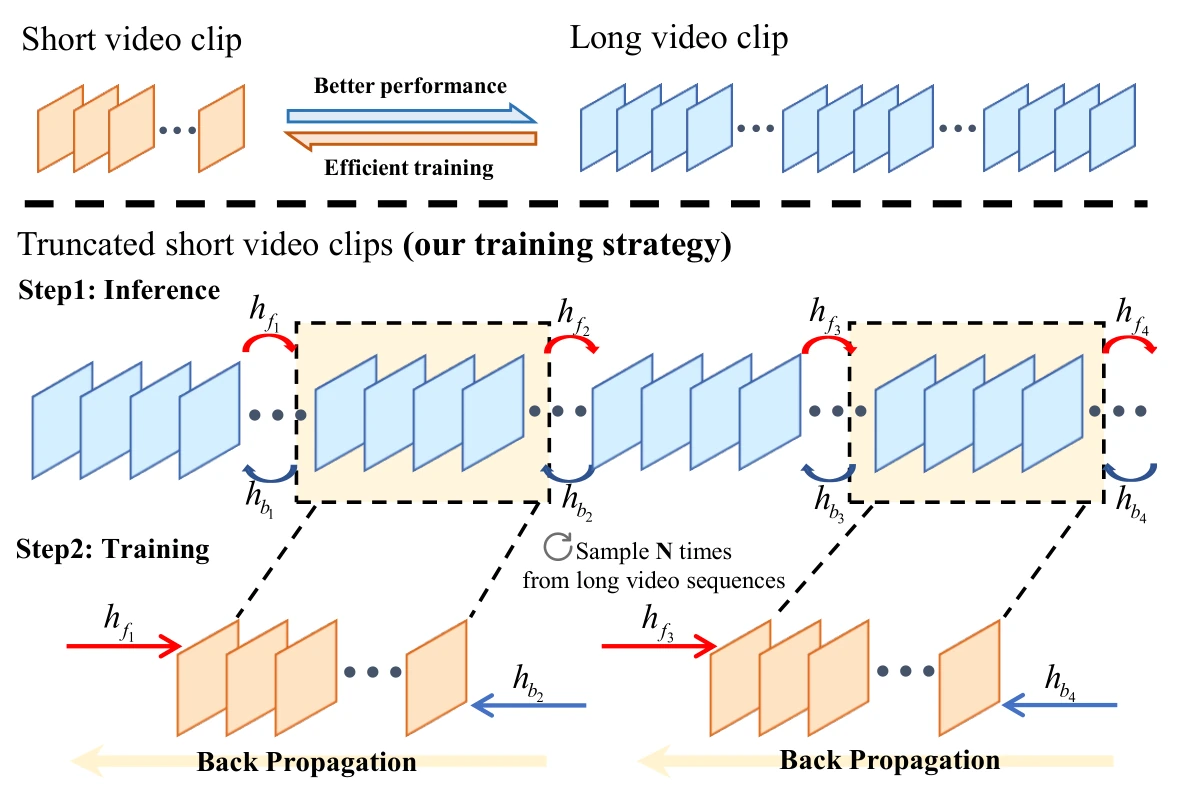
Pipeline of the truncated-short-video training strategy for learning long-range temporal information.
Small Clips, Big Gains: Learning Long-Range Refocused Temporal Information for Video Super-Resolution

Xingyu Zhou, Wei Long, Jingbo Lu, Shiyin Jiang, Weiyi You, Haifeng Wu, Shuhang Gu

arXiv2025

Short-clip training retains long-range temporal information and refocuses attention for efficient video super-resolution.

2024

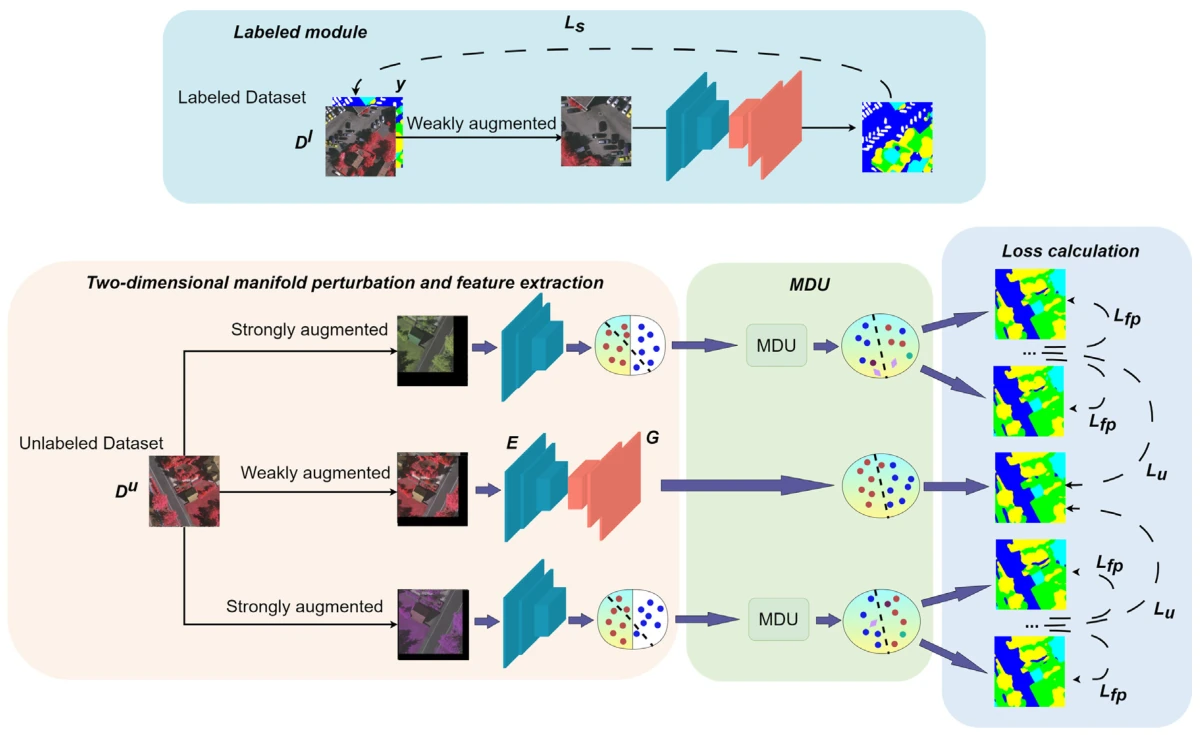
Overall Multi-Dimensional Manifolds Consistency Regularization framework.
Multi-Dimensional Manifolds Consistency Regularization for semi-supervised remote sensing semantic segmentation

Yujie Lu, Yongjun Zhang, Zhongwei Cui, Wei Long, Ziyang Chen

Knowledge-Based Systems2024

Consistency regularization across image and feature perturbations strengthens remote sensing segmentation with limited labels.